
The Specialist Premium: Why Less Is More in AI
Fewer features. Higher price.
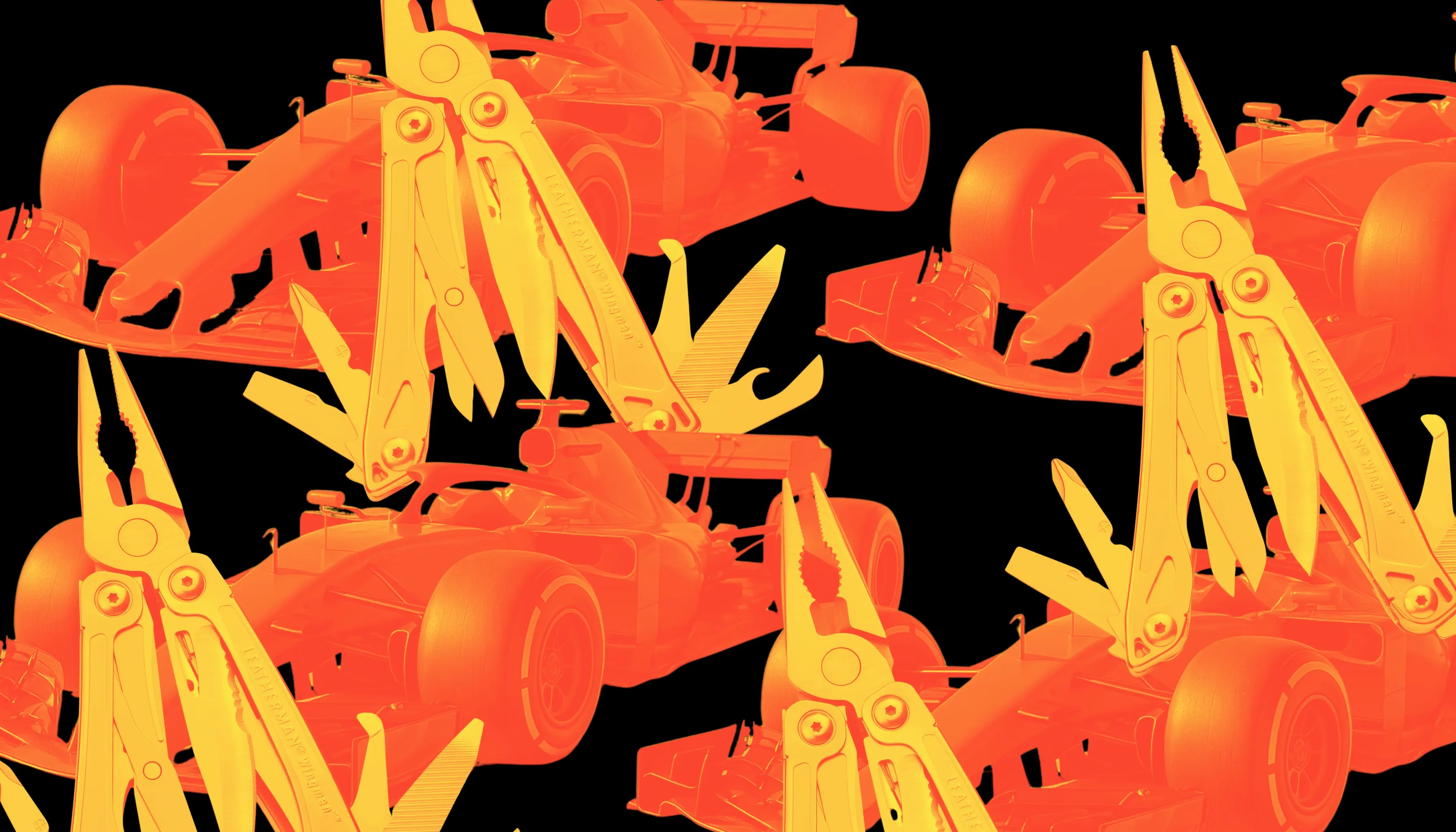
That sounds backwards. Intuitively, more capability means more cost. The premium sedan has more features than the base model. But what about the F1 car? No trunk, no back seats, no cup holders. It does one thing: go fast. And it costs millions.
This counterintuitive pattern has played out across industries for decades. Now, as specialized AI tools hit the market, it’s worth understanding what you’re actually paying for.
The Feature Count Fallacy
General AI assistants like ChatGPT, Claude, and Gemini can do everything. Programming? Sure. Research for your next blog post? Absolutely. Drafting emails, analyzing data, brainstorming strategy? All day long. These do-everything tools feel limitless.
Meanwhile, specialized co-pilots built for code review, medical diagnosis, or legal document analysis do far fewer things. On a feature checklist, they lose every time.
So why should anyone pay more for less?
The Multi-Tool Paradox
I gave my dad a multi-tool from REI this Christmas. About $70. It has 14 different functions: spring-action needlenose pliers, regular pliers, wire cutters, wire stripper, a 420HC knife, package opener, scissors, a ruler, can opener, bottle opener, wood/metal file, Phillips screwdriver, and two flathead screwdrivers (if you read that whole list, I’m proud of you and your attention span 🫶).
So fourteen tools in your pocket. Impressive versatility, and every single function works…well enough. However, nobody builds houses with multi-tools, and for good reason.
Picture a professional carpenter’s workshop instead. Tools everywhere, each one designed for a specific purpose. That toolkit costs hundreds, probably thousands of dollars. Significantly more than my dad’s $70 gadget, and each tool is exceptional at its designated task.
A professional isn’t paying for versatility. They’re paying for precision.
The Specialist Premium
The medical profession demonstrates this economic reality clearly (another section, another analogy 🤓). Your general practitioner is brilliant. They navigate everything from sore throats to suspicious moles to mental health check-ins. They’re capable, versatile, essential.
But when you need heart surgery, you don’t want versatile. You want the cardiothoracic surgeon who’s performed this exact procedure hundreds of times, even if she couldn’t treat you for the flu.
That specialist costs more. Not despite doing “fewer things,” but because of it. More schooling. More focused training. More expertise in narrower domains.
The same economics apply to AI:
- General assistants: Broad training, versatile outputs, good-enough results across many domains
- Specialized co-pilots: Focused training, domain expertise, exceptional results in specific workflows
The specialist didn’t become more valuable by learning more things. They became more valuable by going deeper on a few.
The Training Investment
Here’s what often gets missed in the pricing conversation: specialized AI tools require enormous investment to build. General models train on vast, diverse datasets. Specialized models train on curated, domain-specific data, then undergo additional fine-tuning, testing, and validation for specific workflows.
But it’s not just about training data. Building these tools requires expert humans (Yes, humans! Remember those?), people who actually work in those fields, to inform how the product should function and what will be most useful in practice. You’re not only paying for tuned models. You’re paying for expert time.
The training, tuning, and validation work has real costs. That expertise deserves real pricing.
Looking Ahead
As the AI tool landscape matures, this fundamental shift in how we value capabilities will reshape buying decisions:
- Depth over breadth: Teams will increasingly pay premiums for AI that excels at their core workflows rather than AI that does everything acceptably
- Use-case alignment: The question won’t be “what can this do?” but “how well does this do the specific thing we need?”
- Training value recognition: Specialized tools require significant investment to tune. That expertise has real cost and real value
We’re entering the specialist premium zone, where focus commands the highest price because focus delivers the highest performance.
Less really is more, when “less” means focused excellence rather than diluted competence.